
toughened laminated glass balustrade
Understanding Gate Valves in Plumbing Systems Gate valves are crucial components in plumbing systems, providing control over the flow of water in residential, commercial, and industrial applications. Unlike other types of valves, gate valves are designed to be either fully open or fully closed, making them ideal for applications where a straight-line flow of fluid and minimal pressure drop is required. In this article, we will explore the function, advantages, construction, and applications of gate valves in plumbing systems. Function and Operation The primary function of a gate valve is to start or stop the flow of water or other fluids. When the valve handle is turned, the gate—a wedge-shaped metal disc—either rises and allows fluid to pass through or lowers to block it. This straightforward mechanism helps to prevent leaks and maintains a reliable flow. Gate valves are typically operated either manually with a handwheel or automatically with an electric actuator. It's important to note that gate valves are not designed for throttling fluid flow; they should be either fully opened or fully closed to prevent damage to the valve and ensure system integrity. Advantages of Gate Valves Gate valves offer several advantages that make them a popular choice in plumbing systems 1. Minimal Pressure Drop When fully open, gate valves create a straight-through passage which allows for smooth fluid flow with minimal resistance. This characteristic is particularly beneficial in large plumbing systems where maintaining pressure is crucial. 2. Durability Made from materials such as brass, bronze, and stainless steel, gate valves are built to withstand high pressure and temperature conditions, making them long-lasting components in plumbing systems. 3. Space Efficiency Gate valves are compact and do not require a significant amount of space to operate. Their design allows for easy installation and maintenance. 4. Cost-Effectiveness Generally, gate valves are more affordable compared to other types of valves, especially for applications that require infrequent adjustments to the flow. Construction of Gate Valves Gate valves are typically constructed with several key components 1. Body The body of the valve is usually made from durable materials like cast iron or brass, designed to withstand the operating pressures of plumbing systems . gate valve in plumbing 2. Gate The gate itself is the component that opens and closes the flow. It's often wedge-shaped, which allows it to seal tightly against the valve seat. 3. Seat The seat holds the gate in place and ensures a tight seal when the valve is closed. The material of the seat is chosen based on the nature of the fluid being controlled. 4. Stem The stem connects the gate to the valve handle, translating the rotation of the handle into the vertical movement of the gate. 5. Bonnet The bonnet is the part of the valve that houses the stem and provides protection to the interior components. Applications in Plumbing Gate valves are extensively used in various plumbing applications due to their reliability and efficiency. Common applications include 1. Main Water Supply Lines In residential plumbing, gate valves are often used to control the main water supply, allowing homeowners to easily shut off water during repairs or maintenance. 2. Irrigation Systems In agricultural settings, gate valves are used to manage the flow of water in irrigation systems, ensuring precise control over water distribution. 3. Industrial Systems In industrial plumbing, gate valves play a vital role in controlling the flow of fluids in large pipeline systems, helping to maintain safety and efficiency in manufacturing processes. 4. Fire Protection Systems Gate valves are often included in fire sprinkler systems, allowing for rapid activation and deactivation of water flow. Conclusion In summary, gate valves are indispensable tools in plumbing systems that provide reliable and efficient flow control. Their simple yet effective design, combined with their durability and cost-effectiveness, makes them a favored choice for various applications. Whether in residential homes, commercial buildings, or industrial facilities, understanding the function and advantages of gate valves is essential for the maintenance and efficiency of plumbing systems. Proper selection, installation, and maintenance of gate valves can significantly enhance the longevity and performance of any plumbing infrastructure.
about
toughened laminated glass balustrade
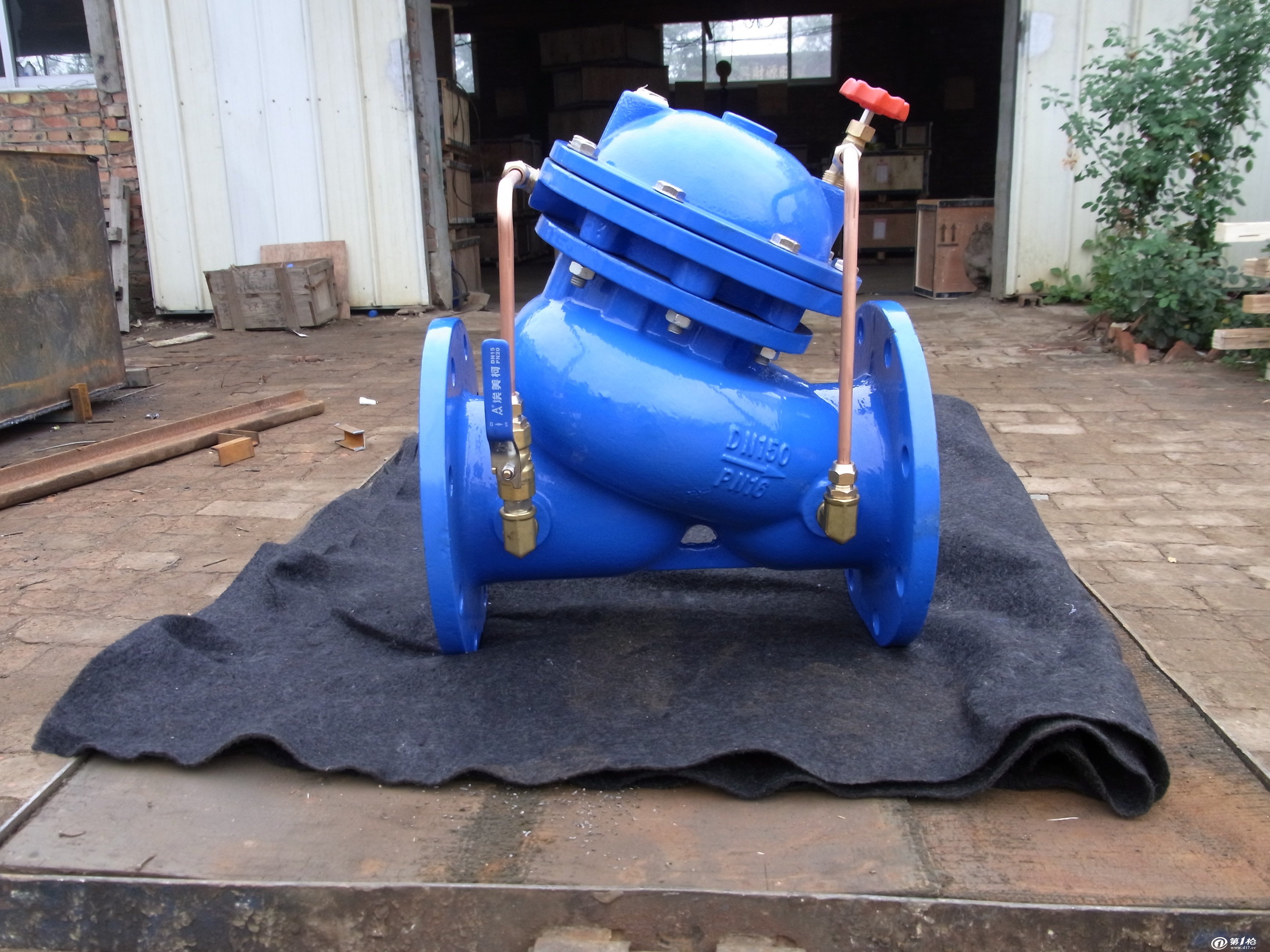
The Slow Closing Check Valve from Storaen (Cangzhou) International Trading Co. represents a cutting-edge solution in hydraulic system optimization. Designed to address common challenges in fluid control, this valve combines innovative engineering with practical functionality to enhance operational efficiency. This article delves into its core features, technical specifications, application scenarios, and the company's expertise in delivering reliable hydraulic solutions. Core Features of the Slow Closing Check Valve The Slow Closing Check Valve is engineered to provide precise control over fluid flow, minimizing the risks associated with sudden pressure changes. Key features include: Innovative Design: The valve's novel structure ensures a seamless integration into existing hydraulic systems, reducing maintenance requirements. Superior Sealing: Advanced sealing technology prevents leaks, maintaining system integrity even under high-pressure conditions. Low Resistance Flow: Optimized internal geometry minimizes flow resistance, enhancing overall system efficiency. Adjustable Operation: Users can fine-tune the valve's opening and closing speed to match specific operational needs. Water Hammer Mitigation: The design effectively dampens the effects of water hammer, protecting downstream equipment from damage. Technical Specifications Parameter Details Model 300X Slow-Closing Muffler Check Valve Flow Rate Varies based on system requirements (consult technical documentation) Pressure Rating Up to 16 bar (subject to model variation) Materials Stainless steel and corrosion-resistant alloys for durability Service Life Extended lifespan due to robust construction and low wear Water Hammer Reduction Effective damping through controlled closure mechanisms Advantages Over Traditional Check Valves Compared to conventional check valves, the Slow Closing Check Valve offers several distinct advantages: Enhanced Safety: By reducing water hammer, it safeguards pipelines and connected equipment from sudden pressure surges. Customizable Performance: Adjustability allows operators to optimize valve behavior for diverse applications. Cost Efficiency: Long service life and minimal maintenance lower total ownership costs over time. Environmental Benefits: Reduced energy loss due to low resistance flow contributes to sustainable operations. Application Scenarios The versatility of the Slow Closing Check Valve makes it suitable for a wide range of industrial and commercial applications, including: Water Treatment Plants: Ensures stable flow control in pumping systems, preventing damage from pressure fluctuations. Industrial Cooling Systems: Maintains consistent coolant flow, improving heat exchange efficiency. Oil and Gas Pipelines: Mitigates risks associated with sudden valve closures, enhancing safety and reliability. Power Generation: Protects turbines and other critical machinery from water hammer effects in steam or water systems. Company Background: Storaen (Cangzhou) International Trading Co. Established as a leading supplier of hydraulic components, Storaen (Cangzhou) International Trading Co. specializes in delivering high-performance solutions for fluid control systems. With a focus on innovation and quality, the company has built a reputation for reliability and customer-centric service. Their expertise in hydraulic check valve types and check valve types and applications positions them as a trusted partner for industries requiring precision and durability in fluid management. Industry Standards and Authoritative Citations According to the National Institute of Standards and Technology (NIST) , effective fluid control systems are critical for maintaining operational efficiency and safety in industrial environments. NIST's research on Standards for Fluid Control Systems highlights the importance of mechanisms like the slow closing check valve in mitigating water hammer effects. This aligns with Storaen's commitment to providing solutions that meet rigorous industry benchmarks. Furthermore, the NIST ITL Standards and Guidelines emphasize the role of advanced valve technologies in reducing energy consumption and extending equipment lifespan. By incorporating these principles, Storaen's slow closing check valve exemplifies the integration of innovation and compliance with global standards. Conclusion The Slow Closing Check Valve from Storaen (Cangzhou) International Trading Co. is a testament to the company's dedication to advancing hydraulic system performance. With its innovative design, adjustable operation, and proven effectiveness in mitigating water hammer, this valve offers a reliable solution for diverse industrial applications. As industries continue to prioritize efficiency and safety, Storaen's expertise in hydraulic check valve types ensures that their products remain at the forefront of fluid control technology. References NIST - Standards for Fluid Control Systems NIST ITL Standards and Guidelines
-

High quality industrial productsagement

High quality industrial products
View Details -

Meet the diverse needs of customers

Meet the diverse needs of customers
View Details -

Strict quality control

Strict quality control
View Details -

Top raw materials

Top raw materials
View Details -

Trusted supplier

Trusted supplier
View Details
Our application

news and information
Válvula mariposa de 12 pulgadas con actuador para control de flujo eficiente
Válvula de mariposa de 12 pulgadas con actuador Un componente clave en sistemas de control de flujo
Versatile Ground Anchors for Enhanced Stability and Adaptability in Various Applications
The Versatility and Importance of Adjustable Ground Anchors Ground anchors have long been an essenti

Vanne 100mm prix
Les vannes à guillotine sont des dispositifs essentiels dans de nombreux systèmes de plomberie et d'
 English